
What I use.
And what I would tell you to buy.
Every one of these started as a question between sets. What walking pad should I get. What desk do you have at home. Which supplement is worth the money. Why do we run the equipment we run. If I would not tell you to buy it standing in front of you at the gym, it’s not on this page.
Some links here earn us a commission. It costs you nothing extra, and it has never decided what goes on this page.
Ask me
what I actually use.
Search it, or jump to the question you came for. Some of these have nothing to sell you, which is the point.
I only put things on this page that I use or stock, so the gaps are real ones. Ask me and you’ll get a straight answer, including when the cheap option is fine.
You need
almost none of this.
Clothes you can move in, a flat stable shoe and a water bottle. That’s the whole list for your first day and it hasn’t changed since 2013. We have the rest. Your Foundations week is one-on-one, so nobody is handing you a shopping list before you have trained once. Here’s what the first visit actually looks like.
Everything below this line is the answer to a question somebody asked me on the floor. None of it is required to start.
What should
I actually be taking?
Almost everybody asks me this one eventually, and the honest answer disappoints people. Until your food and your sleep are handled, no supplement moves the needle, and the ones that do are boring.
Then there’s the other half of it. The supplement industry is the Wild West, and plenty of what sits on a store shelf is fairy dust in a fancy tub, sold on a label you have no way to check. That’s the whole reason the shelf at the gym carries one brand instead of ten.
We are a Thorne practitioner partner, and these four sit on the shelf at the gym year round. All four are NSF Certified for Sport, which means NSF tests every batch before it ships against the substances banned in sport. Not everything Thorne makes carries that mark, so I name the ones that do instead of waving at the catalog. If you take nothing else, these four are where I’d start most people. Everything after them is an adjustment.
And if you only ever buy one, buy the creatine. It’s the most researched sports supplement there is, it’s about fifty cents a day, and the only hard part is remembering to take it.
The year-round foundationFour products, and they do not change with the season
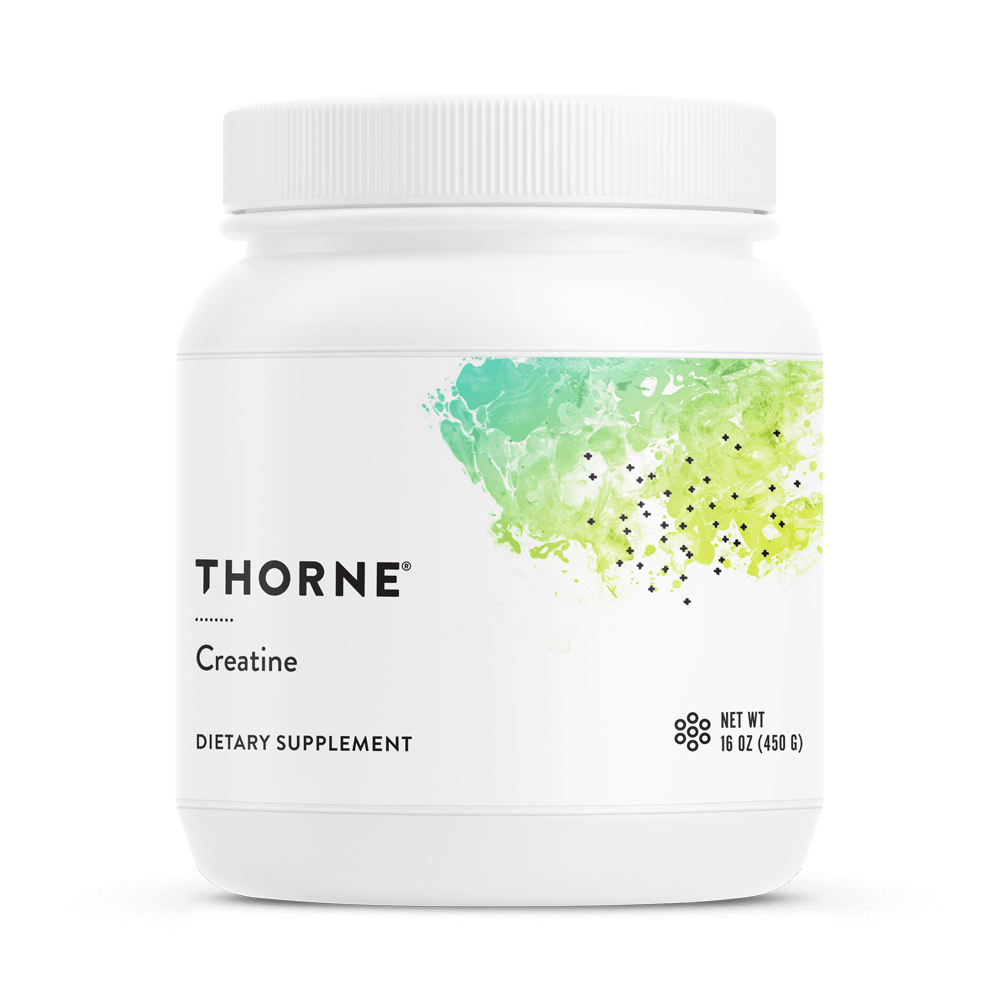 Creatine
Five grams a day and nothing else to think about. Supports strength, power output and muscle hydration.
$44Shop
Creatine
Five grams a day and nothing else to think about. Supports strength, power output and muscle hydration.
$44Shop
 Whey Protein Isolate
For the days food alone does not get you there. Mixes clean, sits easy. Chocolate or vanilla.
$65Shop
Whey Protein Isolate
For the days food alone does not get you there. Mixes clean, sits easy. Chocolate or vanilla.
$65Shop
 Multi-Vitamin Elite
A morning and evening split. Supports energy metabolism and immune function through a hard block.
$76Shop
Multi-Vitamin Elite
A morning and evening split. Supports energy metabolism and immune function through a hard block.
$76Shop
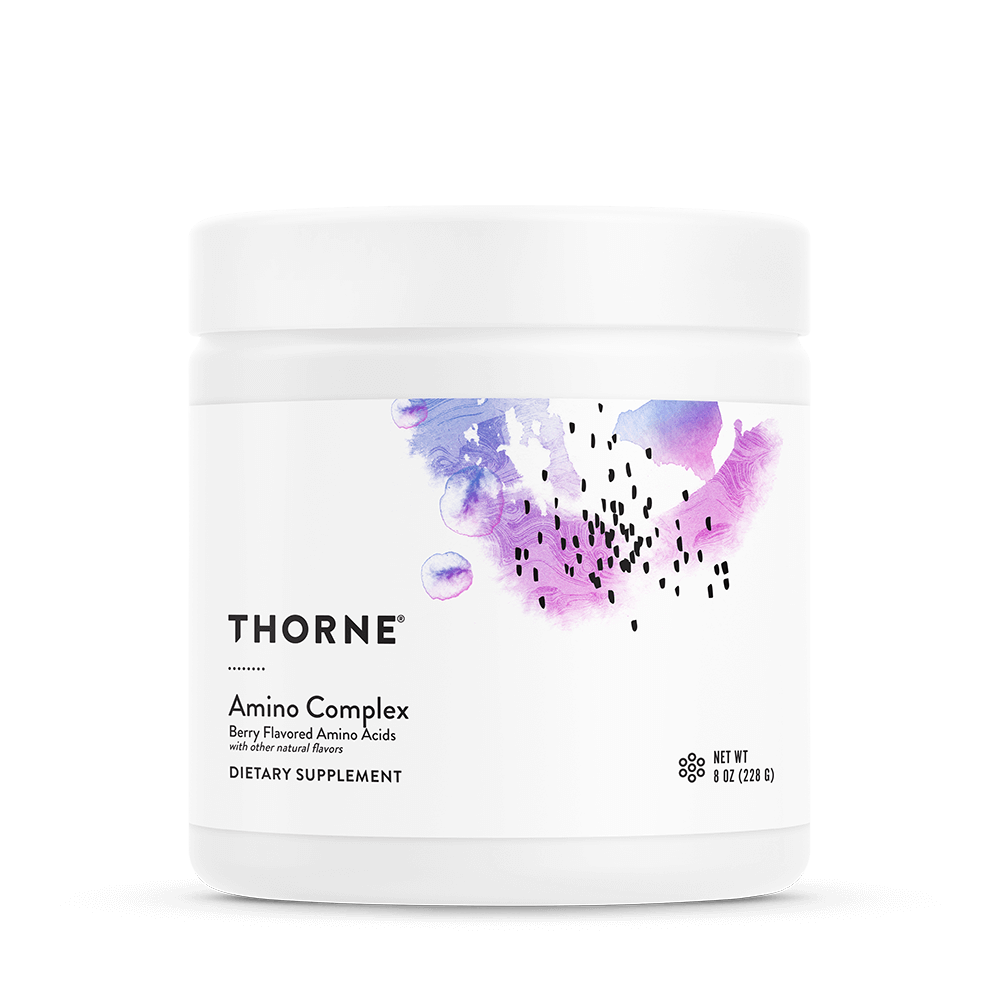 Amino Complex
For the weeks when the hard sessions stack up. Supports recovery after hard work. Berry or lemon.
$52Shop
Amino Complex
For the weeks when the hard sessions stack up. Supports recovery after hard work. Berry or lemon.
$52Shop
Twelve more products sit on the shelf, including magnesium, fish oil and electrolytes. See the whole shelf, with what changes in a cut or a build. Prices checked 10 September 2026.
Who should skip these. If you already hit your protein from food, skip the whey. If you take a multivitamin you trust, keep taking that one. And none of the four outranks sleeping seven hours or eating enough, so if one of those is broken, fix it first and keep your money.
And if what you’re really asking is what to eat, a tub is the wrong place to start. That’s a coaching question, and we do that properly. Here’s how nutrition coaching works.
What if you
already buy 1st Phorm?
Then buy 1st Phorm. We are a Legionnaire partner as well as a Thorne one, because people want different things out of a tub and you should get to pick which.
Six below do a job the Thorne four do not. The whole catalog sits under them if you already know what you came for. If you compete in a tested sport, read the label on the specific product before you buy it.
Six that do a job the Thorne four do notNot the whole catalog, and not a ranking
The rest of the catalog81 products
The ones they say people ask for most
Protein powders and bars
Foundation series
Performance
Amino acids
For kids
Everything else, and the stacks
- 24-Hour Weight Loss Stack for Women
- 24-Hour Weight Loss Stack for Men
- 1-DB Goddess Fastpack
- 1-DB Overdrive Fastpack
- L-Carnitine
- Core-21
- Thyro-Drive
- MasterBrain
- Glucose Disposal Agent
- Primal-T
- Night-T
- Adrenal Restore
- Magnesium
- Multi-Fiber
- Conquest
- Hydration Daily
- Hydration Sport
- Phorm Energy
- Opti-Greens Stick Packs
- Opti-Reds 50 Stick Packs
- Opti-Health Stack Sticks
- Electrolyte Freezer Pops
- Whole Heart Pack
- Opti-Health Stack
- Prenatal Plus
- Primal Pack
- Symmetry
- Wellness Stack
- Transphormation for Him
- Transphormation for Her
- Gym Stack
- PR Blaster Stack
- Hybrid Athlete Stack
- Joint Stack
Who should skip all of this. Anybody whose sleep, food and training are not sorted yet. That was true at the top of this page and a second brand does not change it.
What desk
do you have at home?
An UPLIFT V3. I bought the two-leg with my own money years ago and it is the single most useful thing I have ever bought for my back. I’m on their four-leg now. If you’re buying your first one, the two-leg is the one I know inside out and the one my review is about. The part that matters more than the model is why.
UPLIFT sent me the four-leg and their walking pad free to review on my gear site. They did not see this page before it went up, they get no edits, and they had no say in a word of it. There is no UPLIFT link anywhere on this page.
Sitting is a slow death for a low back, and mine is on the shortlist for surgery eventually. I can back squat, deadlift, run and jump. Sitting for eight hours is the thing that wrecks me for days. And the most consistent thing I see in the people I coach who work at a desk is that same trio: cranky low back, tight hamstrings, and a chair they have never once thought about.
Standing for half the day gave me back days I stopped noticing. Better back days turned into better sleep, and better sleep turned into a better head. So if you have back problems and you’re on the fence, I’ll say it here the way I say it on the floor: it’s a nonnegotiable. Finance it if you have to. My only regret is the three to five years I spent researching instead of owning one.
The other half of that question is steps, and it takes two machines. An UPLIFT walking pad lives under the desk and quietly does the daily miles while I work, and it inclines, which is not a given on a walking pad. A MERACH T12 Pro, which I paid for, lives in the garage for the real sessions: bigger, sturdier, faster, and it climbs to 15 percent. That steeper incline is what puts my heart rate exactly where I want it for real zone 2 without beating anything up. Which brings me to the advice I took myself, and the one I give everybody who asks: don’t spend five thousand dollars to find out whether you’re the kind of person who uses a treadmill. Buy the one that makes the bet cheap, put a hundred miles on it, and upgrade when the miles demand it.
Who should skip these. If your desk time is genuinely an hour a day of email, a normal desk keeps your money. If you’re already a fast runner logging real miles, the T12 tops out at 7.5 mph and you should shop a tier up from the start. And the walking pad is the newest thing here, so take it as what I’m using rather than what I’ve proven: it has not got the miles on it yet for me to tell you it lasts. I’d rather tell you all that now than sell you something you resent.
And one line I want to be clear about. If your back genuinely hurts, the sharp kind, the constant kind, the getting-worse kind, see a doctor before you see me. I’m a strength coach, not a physician, and nothing on this page is medical advice.
I wrote the desk and the T12 up properly, with photos, on Every Dad Carry, which is my gear review site: the full desk review and the treadmill review, including the belt-tension adjustment that catches people out. The UPLIFT pad gets its own review once it has real miles on it. That site is mine, and some of the links on it are affiliate links, which means I may earn a commission if you buy through them.
Why Rogue?
Why Concept2?
Because a commercial floor is the most honest equipment test there is. Whatever we buy gets used by everybody who trains here, every day, for years. Home-gym gear gets babied. Gym gear gets dropped, loaded wrong, left loaded, and put away in a hurry. Rogue and Concept2 are what I keep buying because I’ve stopped having to think about them, and that’s the whole philosophy: find the one thing that works, solve the problem, and never think about solving it again.
Is there anything better out there? For a commercial floor, honestly, not much, and nothing that changes the answer enough to matter. For your garage it’s a different question, and I’ll give you a different answer. Plenty of cheaper bars and racks are genuinely fine for one person training three days a week, and the money you save is better spent on coaching than on a bar that outlives you. Ask me about your specific setup and I will tell you where to spend and where not to.
Shoes, belts, sleeves, grips, chalk and ropes get asked about constantly and there’s nothing here yet. We are still testing and still sorting out who I actually want to send you to, so rather than pad this page out I’ll answer it in person. Ask a coach on the floor or send me a message. Same answer either way, including when the cheap option is fine.
Recovery.
Waiting on the room.
The new building gets a recovery room of its own in November, with two cold plunges and a sauna. Anything that ends up on this shelf is going to be something we have used in that room first, so it opens when the room does. Here’s what’s going in.
Bags, knives
and everything else.
The rest of what I get asked about lives on Every Dad Carry, which is my site: bags, lights, knives, coolers, grills, desk setups, the lot. Some of the links there are affiliate links, which means I may earn a commission if you buy through them. It stays over there because a cooler isn’t a training program, and this page sticks to what affects yours.
How something
gets on this page.
Three rules, and they are the reason this page is short.
I’ve actually used it
I own it, we stock it, or I’ve put real hours on it. Nothing gets recommended off a spec sheet.
It survives the no-commission test
I would tell you to buy it with nothing in it for me. If that’s not true, it doesn’t go up.
It comes off when I stop
If I stop using it, it leaves the page. A list like this is only worth reading if it can shrink.
That’s why two of the shelves above have nothing to sell you. I’d rather have one honest answer than six padded ones, and an empty shelf that tells you why is worth more than a full one that can’t.
The gear matters
less than the coaching.
All of this is downstream of showing up and being coached properly. The desk and the creatine are real, and they’re still worth less than the hours you spend with somebody watching your reps. If you want the part that actually moves the needle, start there.