
Starting a strength training program can feel intimidating. Walking into a gym full of barbells, dumbbells, and machines you have never used before is enough to make anyone second-guess themselves. But here is the truth: strength training is one of the single best things you can do for your body, your mind, and your long-term health. And getting started is easier than you think.
Whether you are completely new to fitness or coming back after a long break, this guide will give you everything you need to start strength training safely and effectively.
Why Strength Training Matters
Strength training is not just about building muscle or looking good — though those are nice benefits. The real value of strength training goes much deeper. Regular resistance training has been shown to improve bone density, which is critical as we age. It boosts your metabolism, meaning you burn more calories even at rest. It improves joint stability and reduces your risk of injury in everyday life.
Beyond the physical benefits, strength training is one of the most powerful tools for mental health. The confidence that comes from getting stronger, the stress relief of a hard workout, and the sense of accomplishment when you hit a new personal record — these things carry over into every area of your life. Studies consistently show that strength training reduces symptoms of anxiety and depression while improving overall quality of life.
How to Get Started
The most important first step is finding qualified coaching. You would not try to learn a new language without a teacher, and you should not try to learn strength training without a coach. A good coach will assess where you are, teach you proper form from day one, and build a program that matches your current fitness level.
Start with lighter weights than you think you need. The goal in your first few weeks is not to lift heavy — it is to learn the movement patterns correctly. This foundation will serve you for years. Trying to go too heavy too soon is the number one mistake beginners make, and it usually leads to frustration or injury.
Commit to a schedule you can actually maintain. Two to three sessions per week is a great starting point. Consistency matters more than intensity, especially in the beginning.
Essential Movements to Learn
Every effective strength training program is built around a handful of fundamental movement patterns. Master these, and you have the foundation for a lifetime of training:
- Squat — The king of lower body movements. Squats build your quads, glutes, and core while teaching your body to move as a unit.
- Deadlift — Picking things up off the ground safely. This movement builds your entire posterior chain — hamstrings, glutes, and back.
- Press — Both overhead and horizontal pressing (like a bench press) build upper body pushing strength and develop your shoulders, chest, and triceps.
- Pull — Pull-ups, rows, and other pulling movements balance out your pressing and build a strong, healthy back.
These four movement patterns form the backbone of any good program. Everything else is built around them.
How Often Should You Train?
For beginners, two to four training sessions per week is the sweet spot. This gives you enough stimulus to drive adaptation while allowing adequate recovery. Rest days are not lazy days — they are when your body actually rebuilds and gets stronger.
A common beginner schedule might look like three days per week with at least one rest day between sessions. As you progress and your body adapts, you can increase frequency. But in the beginning, recovery is just as important as the training itself.
Sleep and nutrition also play massive roles in your recovery. Aim for seven to nine hours of sleep and eat enough protein to support muscle repair. Your results happen outside the gym just as much as inside it.
Common Mistakes to Avoid
The biggest mistakes beginners make are predictable and preventable. Here are the ones to watch for:
- Too much, too fast — Going all-out in your first week leads to extreme soreness, potential injury, and burnout. Build gradually.
- Skipping the warm-up — Five to ten minutes of mobility work and light movement prepares your body and reduces injury risk dramatically.
- Ignoring form for heavier weight — Your ego will tell you to add more weight. Your coach will tell you to perfect the movement first. Listen to the coach.
- Not following a program — Random workouts produce random results. Follow a structured program that progresses logically over time.
- Comparing yourself to others — Everyone in the gym started somewhere. Focus on your own progress, not someone else’s highlight reel.
Why Coaching Makes the Difference
You can find workout programs online for free. So why would you invest in coaching? Because information is not the same as guidance. A coach watches your form in real time and makes corrections before bad habits become ingrained. A coach adjusts your program when something is not working. A coach provides accountability on the days you do not feel like showing up.
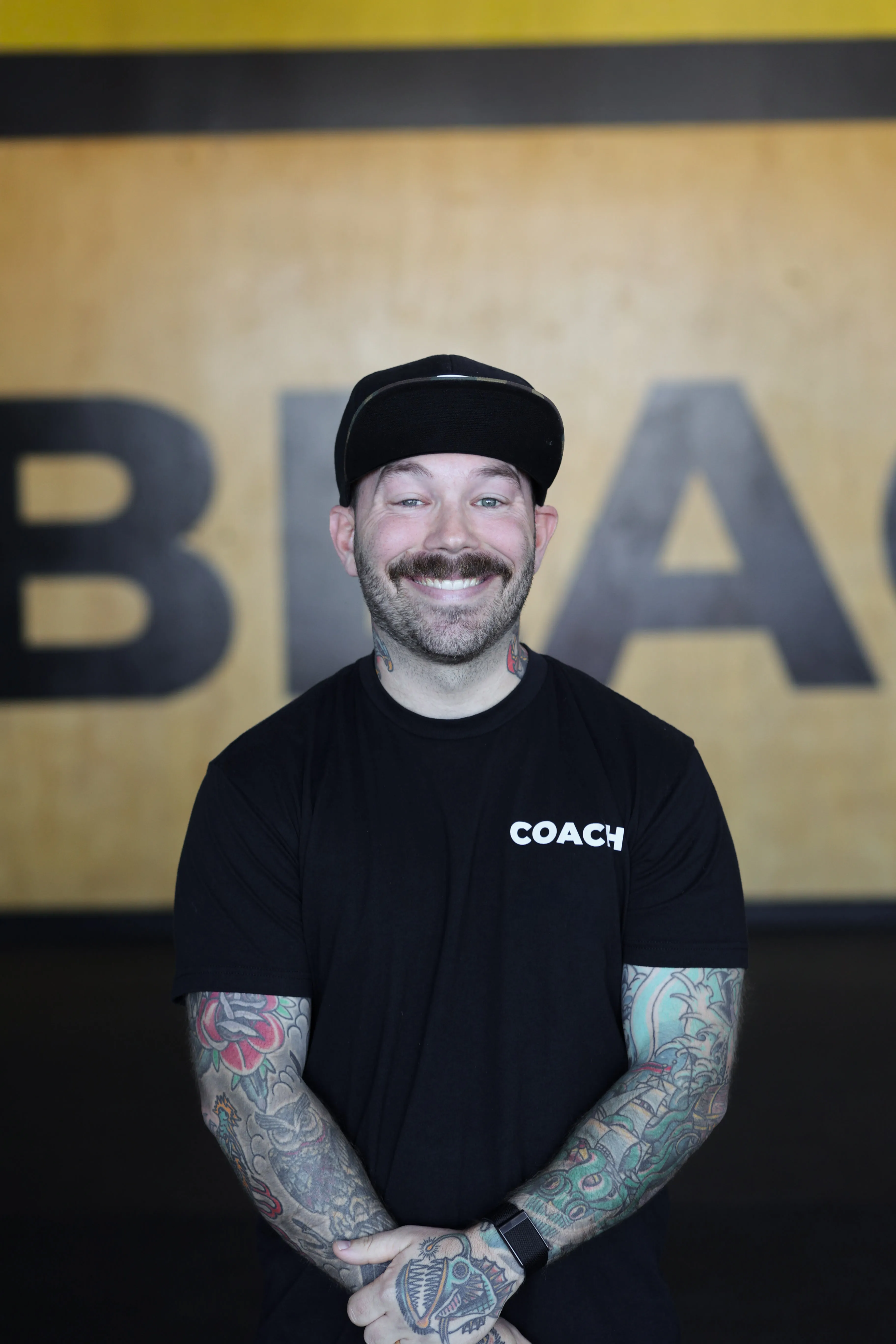
At Black Iron Athletics, we specialize in helping beginners build a strong foundation. Our coaches have more than 13 years of experience guiding people who have never touched a barbell through their first squat, their first deadlift, and their first moment of realizing they are capable of more than they ever imagined.
We offer one-on-one onboarding so you never feel lost or overwhelmed. We meet you where you are and help you get where you want to go. Whether your goal is to lose weight, build strength, improve your health, or just feel better in your own body, it all starts with that first step.
Ready to Get Strong?
Book your free consultation at Black Iron Athletics. We will sit down, talk about your goals, and build a plan that sets you up for success from day one. Explore our programs or see how easy it is to get started.
Book a Free ConsultGet Tips Like This in Your Inbox
Subscribe for weekly training, nutrition, and supplement tips from the coaches at Black Iron Athletics.
Subscribe